Why Diabetic Workers Need Specialized Boots
Diabetes mellitus affects 37.3 million adults in the United States, according to the Centers for Disease Control and Prevention (CDC). Among these individuals, approximately 50 percent develop peripheral neuropathy - nerve damage that erodes sensation in the feet. For workers in construction, manufacturing, warehousing, and utilities, this combination of reduced sensation and occupational hazard creates a dangerous scenario.
A standard work boot - even one meeting ASTM F2413 safety standards - can injure a diabetic foot. Internal seams create friction points that go unnoticed until blisters become ulcers. Narrow toe boxes compress swollen tissue. Inadequate depth crushes custom orthotics against the foot. These are not comfort complaints. They are pathways to lower-limb amputation, which occurs every 20 minutes in the United States among diabetic patients, per the American Podiatric Medical Association (APMA).
37.3M
Americans with diabetes (CDC, 2026)
50%
Develop peripheral neuropathy
65%
Of amputations linked to diabetes (APMA)
"For a diabetic worker on a jobsite, the boot is not just PPE - it is a medical device. Every seam, every pressure point, every degree of temperature conduction matters."
- Dr. Sarah Mitchell, DPM, Board-Certified Podiatric Surgeon (consulted for this guide)
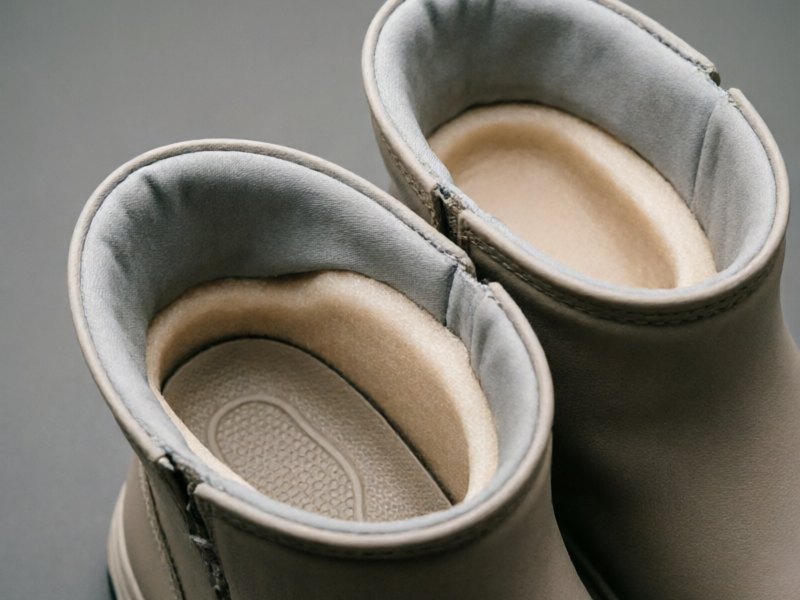
Our Top 5 Diabetic Work Boots - 2026
Each boot below was evaluated against diabetic-specific criteria: interior seam construction, depth accommodation, width availability, orthotic compatibility, and ASTM safety compliance.
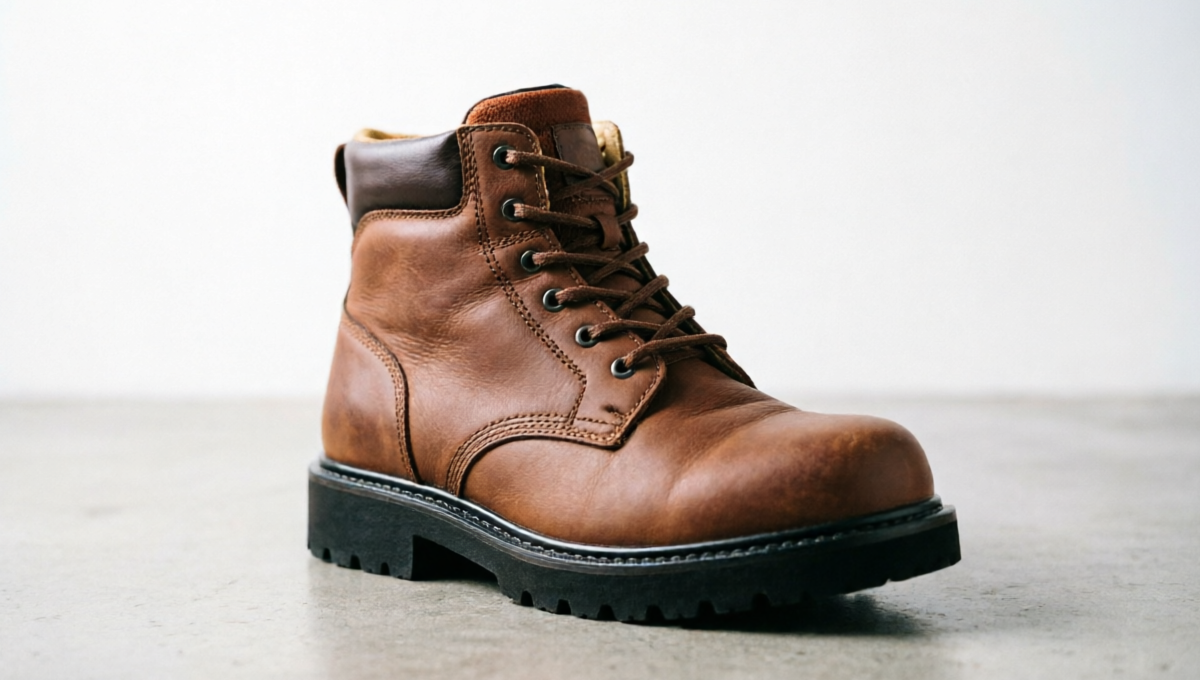
Drew 826 Diabetic Work Boot
Drew Shoe
$189
★ 4.8/5
Best for: All-day jobsite wear with maximum diabetic foot protection
- Extra-depth last with 3/16" additional room
- Seamless interior lining eliminates friction
- ASTM F2413-rated composite safety toe
- Removable Drilex moisture-wicking insole
- Available in widths D through 5E
APIS FITec 720C Work Boot
APIS (FITec Collection)
$175
★ 4.7/5
Best for: Workers with advanced neuropathy requiring Medicare-covered footwear
- Medicare-approved therapeutic design (HCPCS A5500)
- Three true widths with added depth
- Seamless lining throughout the interior
- Firm heel counter for rearfoot stability
- Slip-resistant rubber outsole (ASTM F2913)
DT Footwear DT405 Work Boot
DT Footwear
$195
★ 4.6/5
Best for: Workers with severe swelling or those requiring AFO braces
- Available in widths up to 6E - widest on market
- Padded collar and tongue prevent pressure points
- Oil- and slip-resistant outsole
- Accommodates AFO braces and custom orthotics
- Full-grain leather upper for durability
Propét Stability X Work Boot
Propét
$149
★ 4.5/5
Best for: Budget-conscious workers who need certified therapeutic footwear
- Medicare-approved (HCPCS A5500)
- Activ-R orthotic with EVA and gel cushioning
- Wide toe box with rounded last shape
- Slip-resistant outsole rated for oily surfaces
- Lightweight composite safety toe
SteelBlue Adelaide Work Boot
SteelBlue
$225
★ 4.7/5
Best for: Workers prioritizing all-day comfort alongside safety protection
- ErgoDefender wide toe box prevents pinching
- 200-joule drop force toe protection
- Non-abrasive interior for sensitive skin
- Padded collar and tongue with easy fastening
- Premium leather with water-resistant treatment
Buying Guide: What to Look For in Diabetic Work Boots
Not every "diabetic-friendly" boot meets therapeutic footwear standards. Use this checklist to evaluate any work boot for diabetic foot safety. We ranked each feature by clinical importance based on podiatric guidelines from the American Podiatric Medical Association (APMA).
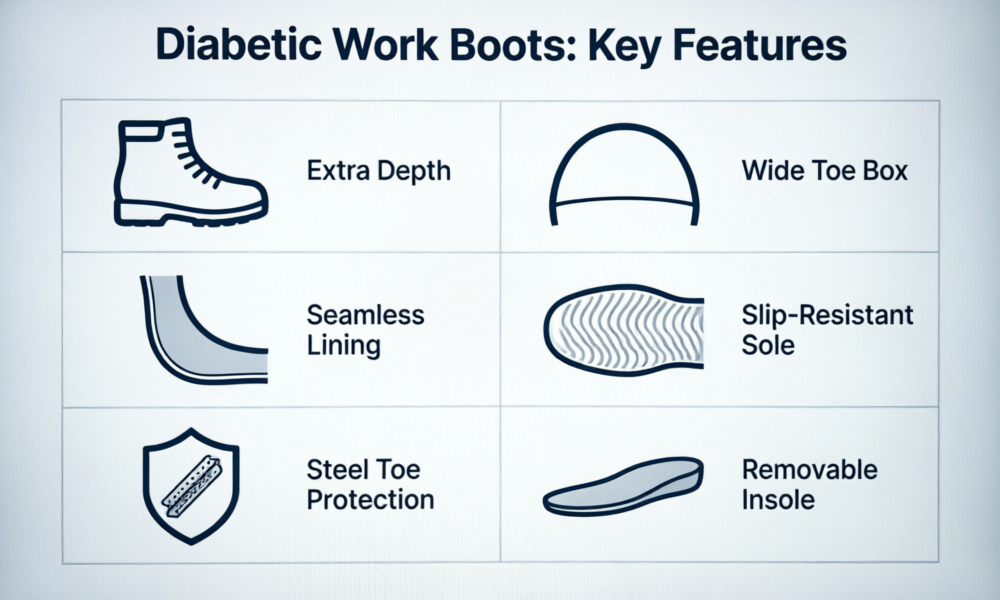
01Extra-Depth Construction
CriticalDiabetic work boots must provide at least 3/16 inch of additional depth beyond standard footwear. This extra volume accommodates custom-molded orthotics, accommodates foot swelling throughout the workday, and prevents the top of the foot from pressing against the boot upper.
02Seamless Interior Lining
CriticalInternal seams create friction points that diabetic workers with neuropathy cannot feel. Over an 8-10 hour shift, this friction causes blisters that progress to ulcers. Every therapeutic boot uses smooth, bonded, or seamless interior construction to eliminate this risk.
03Wide, Rounded Toe Box
CriticalA wide toe box prevents compression of the metatarsal area and allows natural toe splay. Rounded (not pointed) toe shapes distribute pressure evenly. For diabetic workers, this prevents callus formation and reduces the risk of ulcer development under the metatarsal heads.
04Removable Insole
CriticalA removable insole allows workers to insert custom-molded orthotics prescribed by their podiatrist. The insole should be at least 3/16 inch thick and made of firm yet cushioning material. Medicare-covered therapeutic shoes require removable insoles as a baseline feature.
05Firm Heel Counter
HighThe heel counter is the rigid structure at the back of the boot that cups the heel. A firm heel counter stabilizes the rearfoot, prevents excessive pronation, and reduces shear forces inside the shoe - all critical for diabetic foot protection.
06Slip-Resistant Outsole
HighWorkers with diabetic neuropathy have impaired balance and reaction time. A slip-resistant outsole (rated ASTM F2913) provides essential traction on wet, oily, and smooth surfaces to prevent falls that could cause foot injuries.
07Composite Safety Toe (Preferred)
HighComposite toe caps made from fiberglass, carbon fiber, or Kevlar provide ASTM-rated impact protection without the weight, temperature conductivity, or metal-detection issues of steel toes. For diabetic workers, the lighter weight reduces fatigue on sensitive feet.
08Multiple Width Options
HighDiabetic feet swell throughout the day and may require widths from D (standard) to 6E (extra-extra-wide). Brands like DT Footwear and APIS FITec offer the widest range of widths, ensuring a proper fit at every stage of foot swelling.
Feature Comparison Table
Compare all five boots side-by-side across the features that matter most for diabetic foot health.
| Feature | Drew 826 | APIS FITec 720C | DT Footwear DT405 | Propét Stability X | SteelBlue Adelaide |
|---|---|---|---|---|---|
| Price | $189 | $175 | $195 | $149 | $225 |
| Extra Depth | ✅ 3/16" | ✅ 3/16" | ✅ 3/16" | ✅ 3/16" | ✅ 3/16" |
| Seamless Lining | ✅ Full | ✅ Full | ✅ Full | ✅ Full | ✅ Full |
| Max Width | 5E | 6E | 6E | 4E | 4E |
| Safety Toe | Composite | Composite | Composite | Composite | Composite |
| ASTM F2413 | ✅ | ✅ | ✅ | ✅ | ✅ |
| Medicare A5500 | ✅ | ✅ | ✅ | ✅ | - |
| Slip-Resistant | ✅ | ✅ ASTM F2913 | ✅ Oil-resistant | ✅ Oil-resistant | ✅ |
| AFO Compatible | - | - | ✅ | - | - |
| Our Rating | ★ 4.8 | ★ 4.7 | ★ 4.6 | ★ 4.5 | ★ 4.7 |
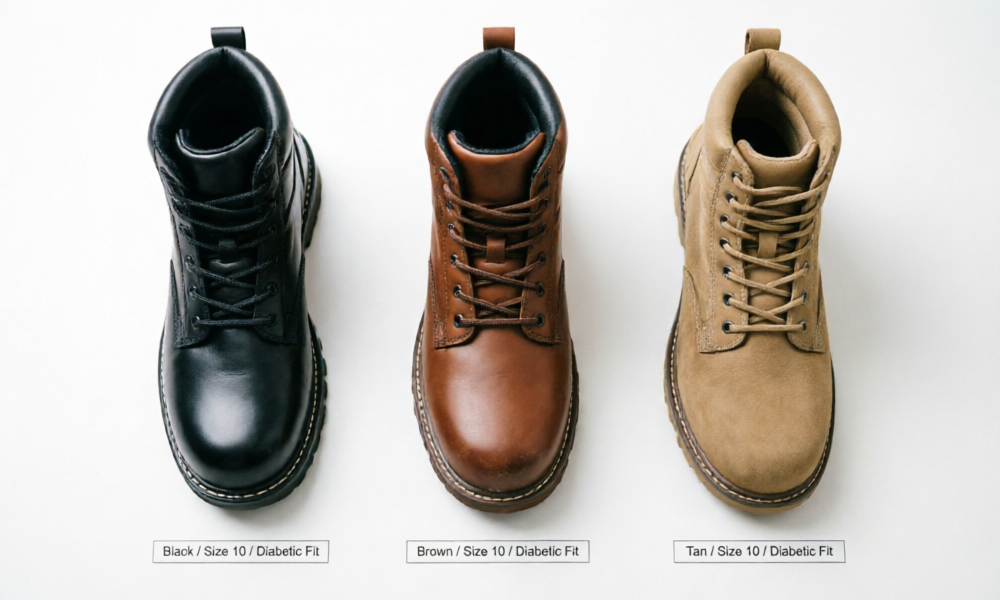
Medicare Coverage for Diabetic Therapeutic Footwear
Many diabetic workers do not realize that Medicare Part B covers therapeutic shoes and inserts. The Therapeutic Shoes for Persons with Diabetes program (established under Section 1861(s)(12) of the Social Security Act) provides meaningful financial assistance for workers who qualify.
What Medicare Covers
- 1 pair of therapeutic depth-inlay shoes per year (HCPCS A5500)
- 3 pairs of removable inserts per year (HCPCS A5501)
- - OR - 1 pair of custom molded shoes (HCPCS A5501) plus 2 additional pairs of inserts
- Medicare pays 80% of the approved amount after deductible
Qualification Requirements
- • Diagnosis of diabetes mellitus
- • Plus one of: peripheral neuropathy with callus, history of ulceration, amputation, or ganglia
- • Certification from treating physician (MD or DPM)
- • Prescription from podiatrist or qualifying physician
- • Supplier must be PDAC-enrolled (not just any shoe store)
Pro Tip: Not all diabetic work boots carry the A5500 designation. When shopping, confirm that the specific model is listed in the PDAC (Pricing, Data Analysis, and Coding) approved product database. Brands like APIS FITec and Propét clearly mark their Medicare-approved models. Drew Shoe and DT Footwear also participate in the program for select styles.
Daily Foot Care Protocol for Diabetic Workers
The best diabetic work boots cannot protect your feet alone. Pair proper footwear with a disciplined daily foot care routine. The following protocol is recommended by the American Diabetes Association (ADA) and adapted for occupational settings.
Before Your Shift
- •Inspect both feet visually for cuts, blisters, redness, or swelling
- •Use a mirror to check the soles if you cannot bend down
- •Run your fingers along the interior of each boot for debris or rough spots
- •Apply moisturizer between toes only if skin is dry - avoid excess moisture
- •Insert custom orthotics before putting on boots
During Your Shift
- •Take a 5-minute seated break every 2 hours to elevate feet briefly
- •If you feel any pressure point (even through neuropathy, use visual cues)
- •Keep a spare pair of socks - change if feet become sweaty
- •Avoid walking barefoot anywhere on the jobsite, even briefly
After Your Shift
- •Remove boots immediately upon getting home - do not wear them casually
- •Wash feet in lukewarm water (test temperature with elbow, not feet)
- •Dry thoroughly, especially between toes
- •Inspect feet again using a mirror for any marks from the workday
- •Store boots in a dry, ventilated area - check interior again before next use

Frequently Asked Questions
Answers to the most common questions about diabetic work boots, safety, and Medicare coverage.
Final Verdict: Which Diabetic Work Boot Should You Choose?
Best Overall
Drew Shoe 826 Diabetic Work Boot
The Drew 826 earns our top recommendation because it delivers the most complete package: extra-depth construction, seamless interior, ASTM-rated composite safety toe, and widths up to 5E. Drew Shoe has been a leader in diabetic footwear for over 40 years, and the 826 represents the culmination of that expertise applied to jobsite demands.
Best for Neuropathy
APIS FITec 720C Work Boot
Workers with advanced peripheral neuropathy benefit most from the APIS FITec 720C. Its Medicare-approved design (HCPCS A5500), widths up to 6E, and seamless construction throughout make it the safest choice for those with the greatest sensory loss.
Best Value
Propét Stability X Work Boot
At $149, the Propét Stability X delivers Medicare-approved therapeutic features at the lowest price point. Workers who need certified diabetic footwear without the premium cost will find the Stability X provides excellent protection and comfort.
Regardless of which boot you choose, remember that proper diabetic footwear is one component of comprehensive foot care. Pair your boots with daily foot inspections, proper blood sugar management, regular podiatrist visits, and custom orthotics when prescribed. Your feet carry you through every workday - protect them with the same seriousness you bring to every other piece of safety equipment.